
We are on the dark side!
Intelligent Warehouse Automation.
Faster Deployment. Measurable Results.
Flexible robotic automation that increases throughput, reduces labor dependency, and integrates with your existing warehouse technology.
-
Business Outcomes
Higher throughput, lower costs, and measurable ROI — reported in the numbers your operation already tracks.
-
Operational Simplicity
Automation that integrates with the warehouse systems and workflows you run today, rather than replacing them.
-
Scalability
Start with one application and one aisle. Expand modules, aisles, and sites as volume grows.
-
Trusted Partnership
From design through deployment and ongoing support, Inlog stays involved as a long-term automation partner.
Solutions
Organized around operational challenges
Not around a product catalog. Start from the constraint that is actually limiting your operation.
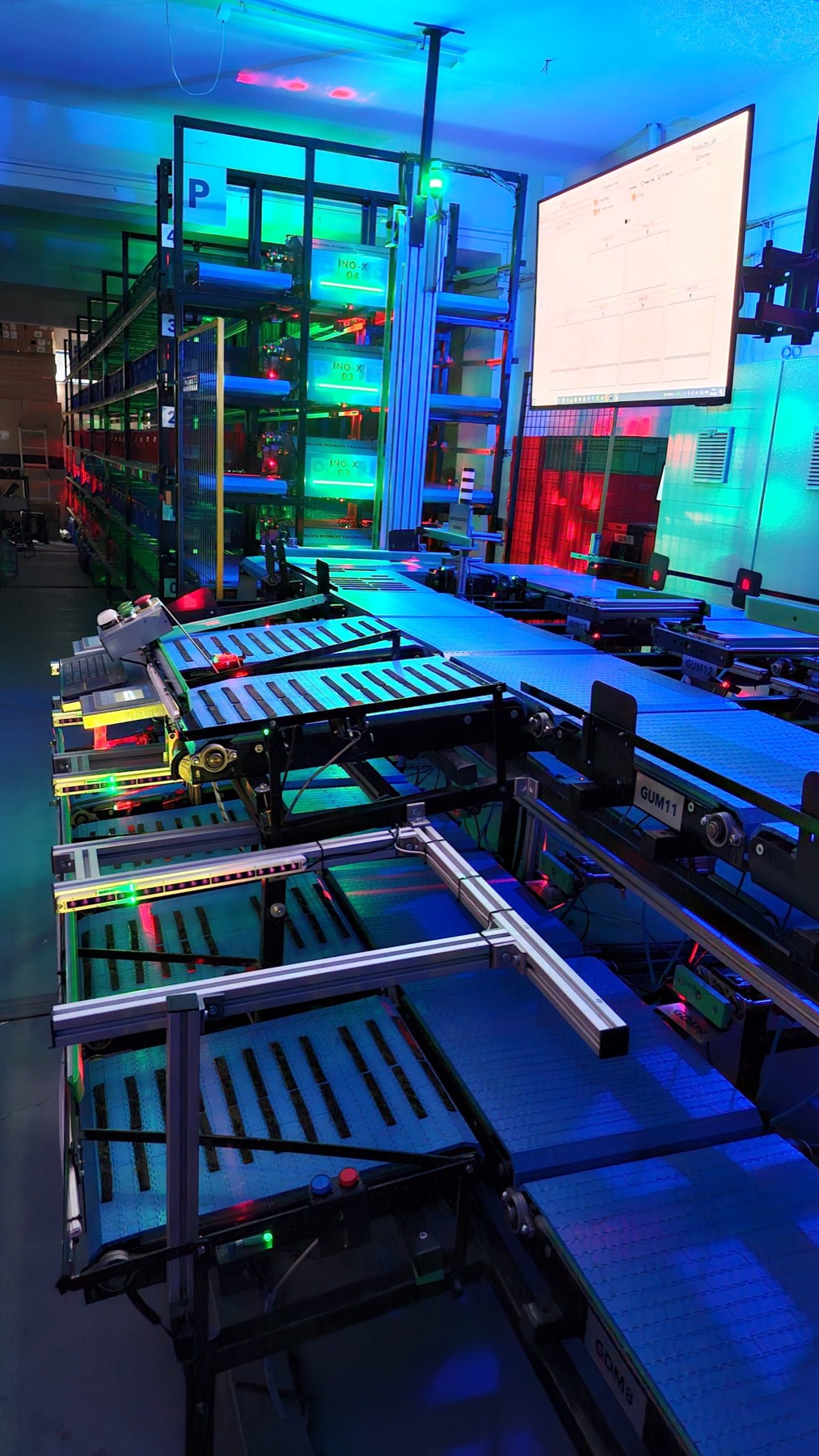
Goods-to-Person Automation
Increase picker productivity while reducing travel.
Explore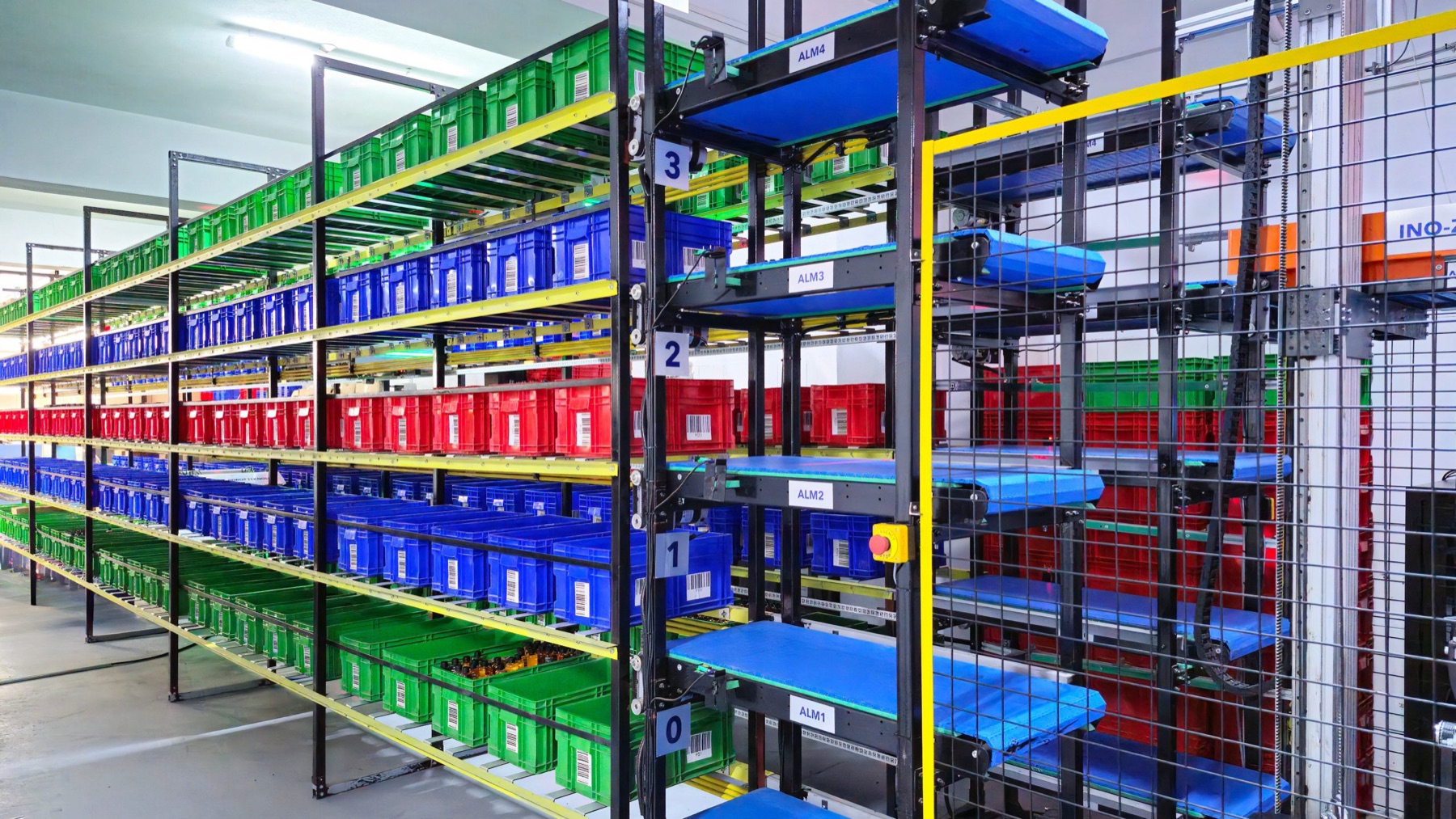
Automated Storage
Maximize cube utilization and improve inventory access.
Explore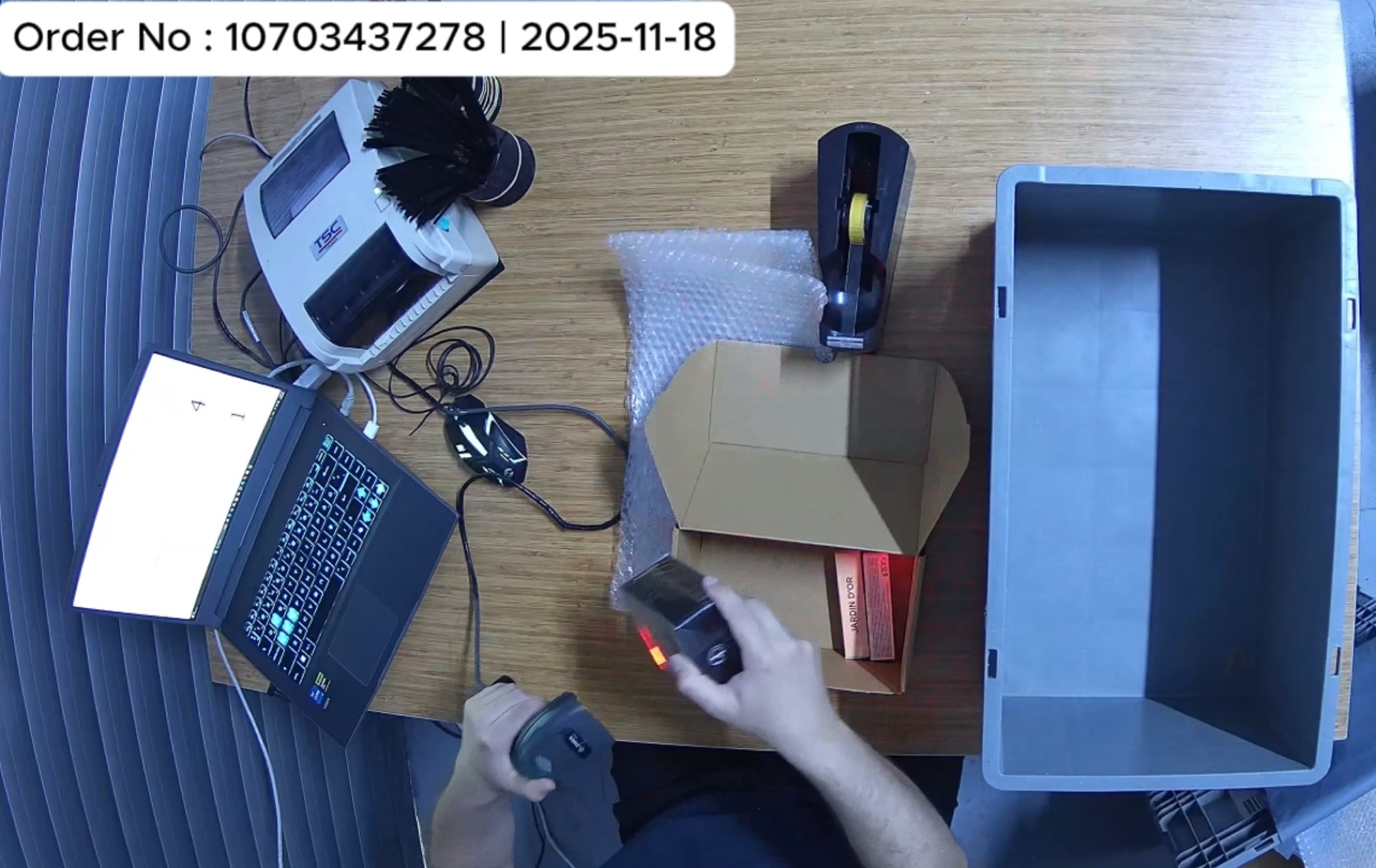
Picking & Order Fulfillment
Higher accuracy with faster fulfillment.
Explore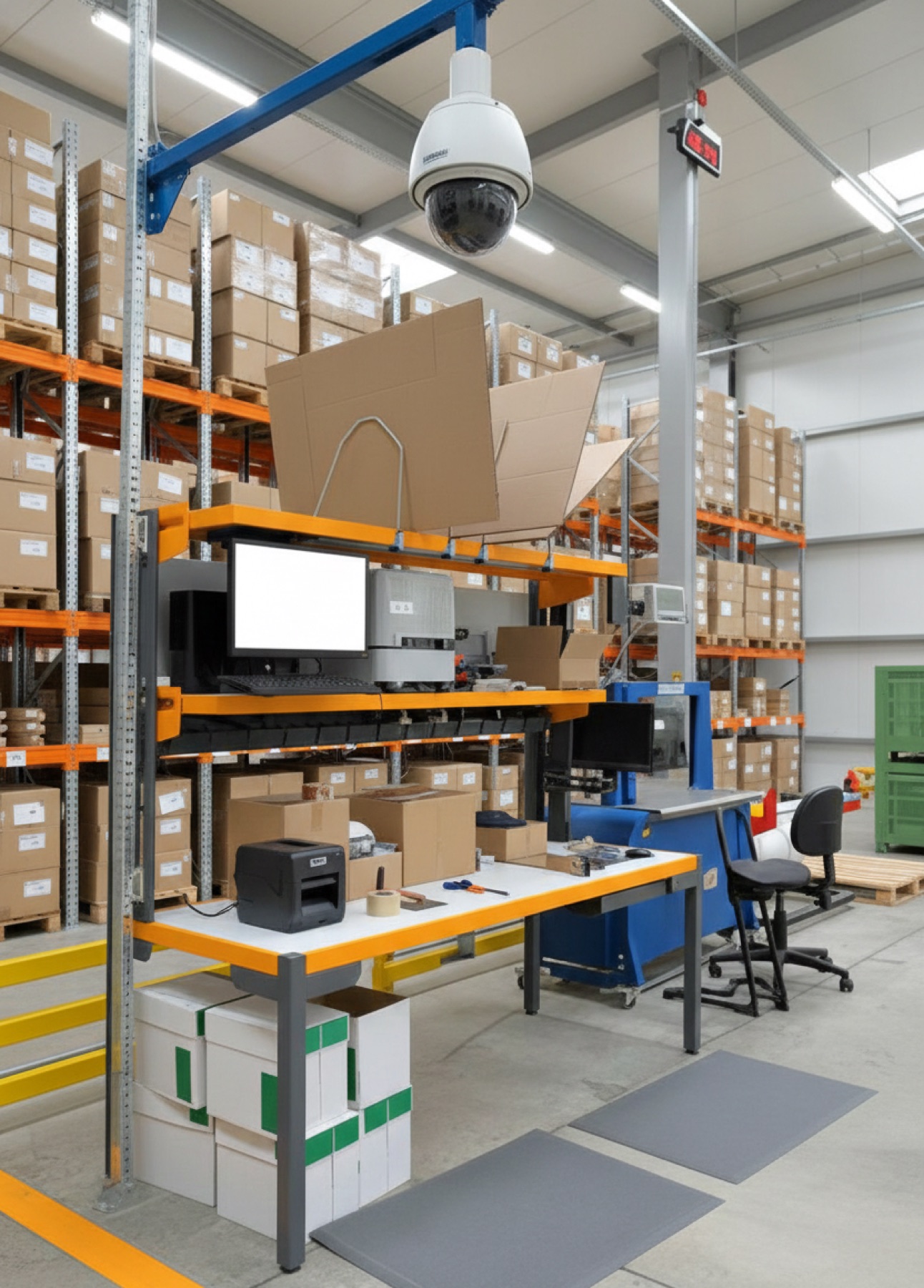
Case Handling
Automated movement of cartons and totes.
ExploreWarehouse Transport
Autonomous movement between workstations.
Explore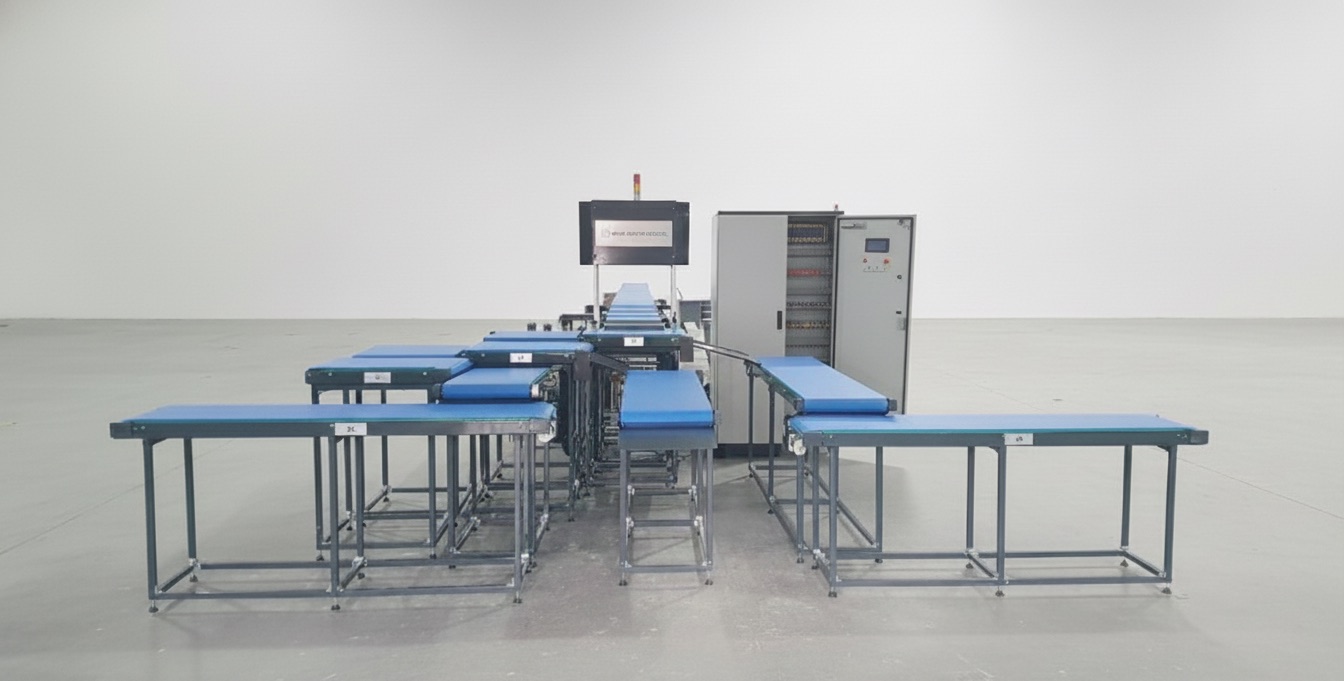
Sortation
High-speed order consolidation.
ExploreWhy Inlog
Outcomes rather than feature lists
U.S. buyers ask four questions: will it integrate, will it scale, how fast is the ROI, and can I trust the company. Here is where we stand on the first three.
-
01
Rapid deployment with minimal operational disruption
Systems are installed inside your existing building envelope and commissioned in phases, so an area goes live while the rest of the operation keeps shipping. There is no period where the facility is neither manual nor automated.
-
02
Modular automation that grows with your business
The initial deployment is sized to current volume. Aisles, levels, stations, and sortation lanes are added as demand justifies them — you are not buying a ten-year forecast up front.
-
03
Lower implementation costs than traditional automation
Reusing the existing building, phasing the deployment, and starting at the scale you need today removes the largest cost drivers in conventional automation projects: new construction and over-provisioning.
-
04
Flexible solutions for changing SKU profiles
Storage is randomly accessible and slotting is driven by live demand, so SKU churn, promotional cycles, and seasonal mix changes are handled in software rather than by re-racking.
-
05
Improve throughput without expanding warehouse space
Density recovers the vertical volume that racking and aisle clearances give away, and throughput scales with station count. Both happen within the footprint you already lease.
-
06
Future-ready architecture
Control, orchestration, and reporting are built as an integration layer, not a closed appliance. New equipment, new channels, and new host systems connect to it rather than forcing a replacement.
Integration
It has to connect to what you already run
The most common reason automation projects disappoint is not mechanical — it is that the system never fully connected to the software the business runs on, so someone ends up re-keying data and the promised accuracy never arrives.
- WMS
- WES
- WCS
- ERP
- MES
- APIs
- Cloud platforms
Systems
The equipment behind the solutions
Inlog designs, builds, and writes the control software for its own systems — which is what keeps the integration layer open.
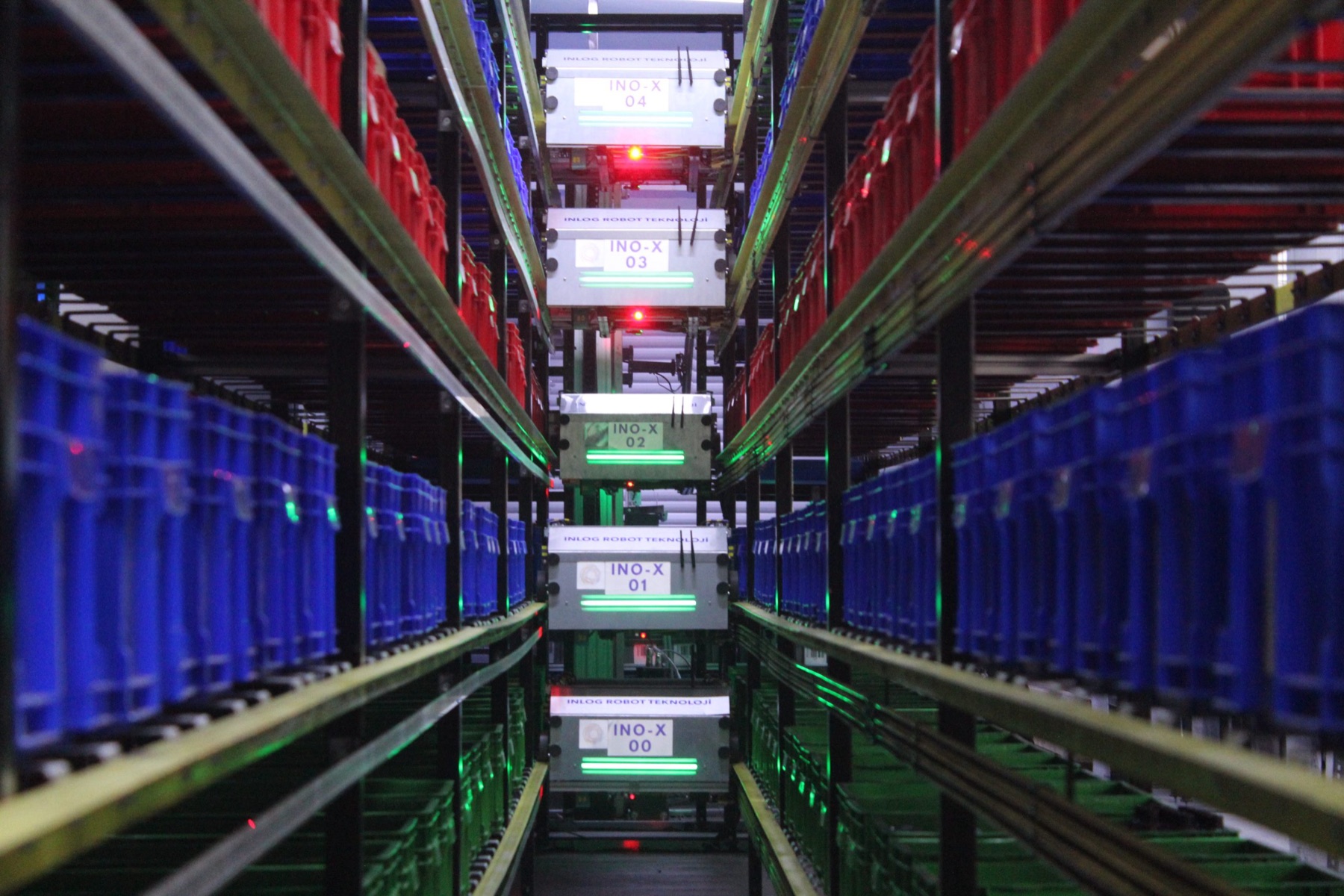
Multi-Shuttle System
High-density storage with ultra-fast retrieval.
View systemSorter System
Camera-assisted parcel sortation with full traceability.
View systemOrder Archiving System
Verification, dynamic labeling, and a visual audit trail.
View systemWarehouse Management Software & SCADA
The control and visibility layer across every system.
View system- Accuracy Rate Verified picks against total picks, captured at the verification gate.
- Performance Efficiency Throughput and cycle time reported by minute, hour, day, month, and year.
- Secure Integration Bidirectional APIs into WMS, WES, WCS, ERP, and MES.
- Access Control Controlled, auditable access to stored inventory and system functions.
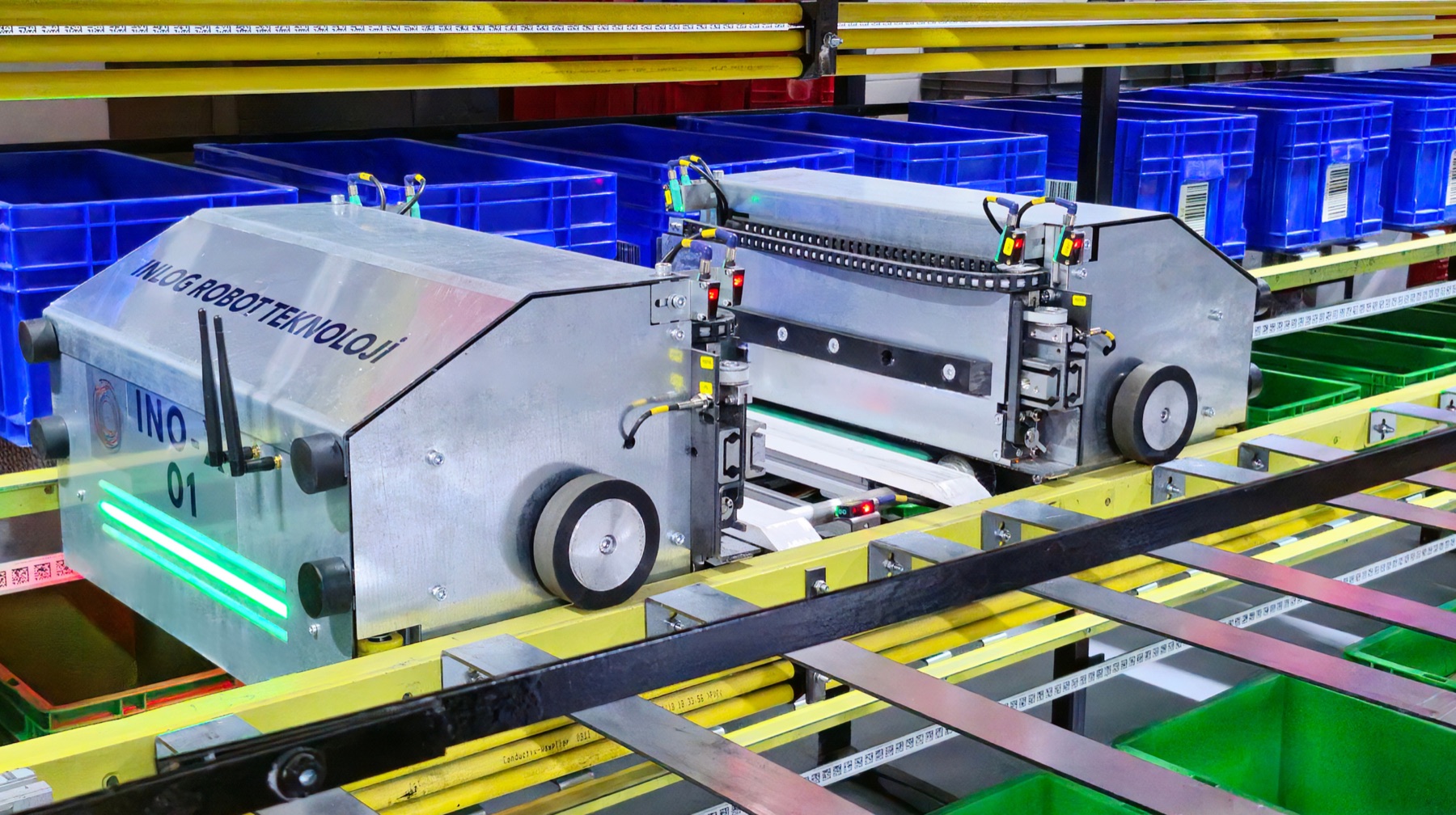
One integrated system
High-performance order fulfillment
Inlog Robot's autonomous order fulfillment and storage system integrates shuttle systems, lift modules, GTP stations, and conveyor lines into a single controlled flow — which is what raises operational efficiency and order accuracy together rather than trading one against the other.
Deployment
Transitioning to automation is straightforward
From the first conversation to full integration, ready-to-use solutions mean the system goes in over months rather than through a multi-year construction project.
-
1
Needs Analysis & On-Site Inspection
We begin by understanding your operational requirements. Product variety, product dimensions, existing warehouse layout, and current systems are examined in detail. Return on investment is calculated together with you at this stage — not after a proposal is signed.
-
2
System Planning
Based on the analysis, the most suitable rack sizes and layout for your warehouse are determined. Equipment and system components are selected against your actual needs, so the resulting structure is scalable and flexible rather than fixed to today's volume.
-
3
Integration Process
Inlog's software is integrated with your existing Warehouse Management System. All required software connections are configured to ensure smooth data flow and system compatibility, so the automation reports into the systems your business already runs on.
-
4
Installation, Training & Commissioning
The system is commissioned to meet your primary needs first. Thanks to its modular structure, it can be scaled and extended with new capability over time. Once operator training is complete the system runs at full efficiency, with the Inlog team supporting each stage.
Performance
What we measure
Targets are set against your measured baseline during assessment. We do not publish generic improvement percentages — a number from someone else's facility tells you nothing reliable about yours.
- lines / hour Throughput
- minutes Order Cycle Time
- % correct Pick Accuracy
- minutes / operator Travel Time
- cost / order Operating Cost
- totes / sq ft Storage Density
- % available Equipment Utilization
Industries Served
Where these systems can be deployed
- Third-Party Logistics (3PL) Win accounts on service levels you can prove.
- Retail Distribution Store replenishment that holds through peak.
- E-commerce Fulfillment Each-picking at volume, with accuracy you can evidence.
- Food & Beverage Rotation and traceability enforced by the system.
- Consumer Packaged Goods Absorb SKU proliferation without adding floor.
- Industrial Distribution Deep catalogs, small orders, fast counter promises.
- Manufacturing Line-side supply that arrives when the line needs it.
- Pharmaceuticals Traceability and rotation as system behavior.
- Automotive Aftermarket depth and line-side discipline.
- Cold Storage Fewer people in the cold, more product in the volume.
Industry Challenges
Start from the problem
If one of these is the reason you are reading this page, start here.
- Labor Shortages Getting the work done with the people you can actually hire.
- Rising Warehouse Costs When the lease renewal is the largest number on the page.
- Peak Season Capacity Sizing for the peak without paying for it year-round.
- Same-Day Shipping Compressing the window between order and trailer.
- Labor Turnover When training never finishes because the team keeps changing.
- Safety Improvements Designing the exposure out rather than managing it.
- Space Constraints Growing inside the walls you already have.
U.S. Service & Support
U.S.-based representation, with engineering behind it
Inlog has U.S.-based sales and representation for North American customers, supported by the engineering team that designs and builds the systems. Field engineering coverage, regional parts stocking, and extended support programs are being built out.
We would rather set that expectation correctly than have you discover the gap during a deployment.